
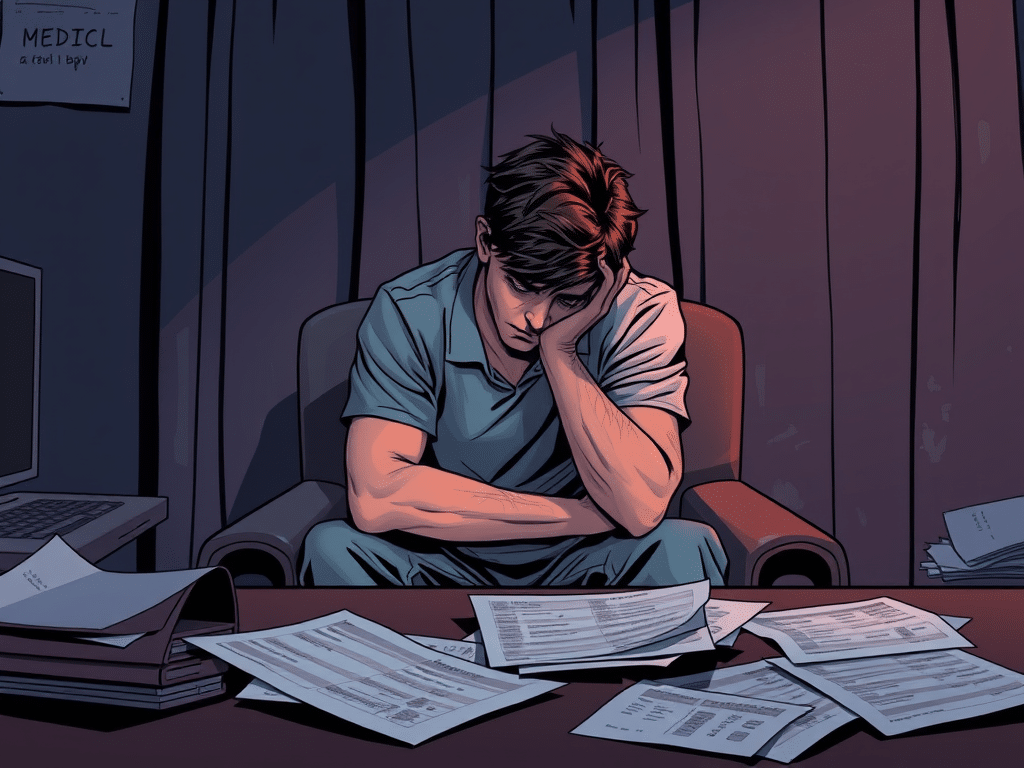
You’ve been to your GP. Again. You’ve described the exhaustion that makes it hard to get through a workday, the pain that keeps you awake at night, the symptoms that have quietly taken over your life. You’ve waited weeks for blood work, maybe even had a scan. And then the results come back.
“Everything’s normal.”
But you’re not normal. You still don’t feel right. The relief you expected to feel at hearing “nothing’s wrong” never arrives. Instead, there’s confusion. Frustration. Maybe even a creeping sense of doubt. If the tests show nothing, does that mean you’re imagining it? Making it up?
Let me say this clearly: you’re not.
The gap between “normal test results” and debilitating symptoms is one of the most isolating experiences in healthcare. It’s the number one frustration I hear from clients living with chronic health conditions. You know something is wrong with your body, but the medical system seems to be telling you everything is fine. That disconnect is maddening. And it’s real.
Why “Normal” Results Don’t Always Mean “Nothing’s Wrong”
Medical tests are powerful tools, but they have limits. Blood work captures a single moment in time. Scans show structure, not function. Lab ranges are based on population averages, which means you can fall within “normal” and still be far from your own baseline.
Here are some reasons why tests might miss what you’re experiencing:
- Timing matters: Some conditions flare and settle. If your blood work was done during a quiet period, it might not capture the problem.
- Labs measure thresholds, not experience: Thyroid function, ferritin levels, and vitamin D can all sit in the “normal” range whilst still causing fatigue, pain, or brain fog.
- Functional issues aren’t always structural: Conditions like IBS, migraines, or chronic pain syndromes often don’t show up on scans because the issue is with how your body functions, not its anatomy.
Understanding these limitations doesn’t fix your symptoms, but it does validate your experience. You’re not “making it up.” The tests just aren’t telling the whole story.
Quick Tip: Track Your Patterns
Start a symptom diary this week. Note when symptoms appear, what makes them better or worse, and how they affect your day. Patterns that feel vague in your head become concrete evidence on paper. This gives your GP something tangible to work with at your next appointment.

The Emotional Toll of Diagnostic Limbo
When you’re told “all came back normal,” there’s supposed to be relief. Instead, you might feel more alone than ever. The people around you don’t understand why you’re still worried. Your GP seems ready to move on. And you’re left holding all these symptoms with nowhere to put them.
This is diagnostic limbo – and it’s exhausting.
You might find yourself questioning your own reality. “Maybe I am just stressed. Maybe I am making too much of this.” You might feel like you’re banging your head against a wall, trying to get someone to take you seriously. Or you might feel like a time waster, guilty for taking up your doctor’s time when the tests say you’re fine.
Let me be clear: feeling this way doesn’t mean you’re anxious instead of unwell. It means you’re a human being navigating an incredibly frustrating situation. The anxiety, the self-doubt, the overwhelm – these are normal responses to being dismissed when you know something is wrong.
Many of my clients describe this period as one of the hardest parts of their illness journey. Not because the symptoms were at their worst, but because they felt so profoundly misunderstood. That psychological toll is real. And it deserves support.
You don’t have to navigate this alone. If you’re caught between “normal” test results and symptoms that are anything but normal, therapy for unexplained symptoms can help you hold both truths at once whilst you find answers.
What You Can Do Whilst You’re Waiting for Answers
Waiting for a diagnosis feels passive, but there are active steps you can take right now to feel more in control.
1. Organise your evidence
Create a clear, one-page summary of your symptoms. Include when they started, what triggers them, and most importantly, how they affect your daily life. Can you work a full day? Are you sleeping? Can you exercise, socialise, manage household tasks? Doctors need to understand the functional impact, not just the symptoms themselves. Making it easy for them to see how this is affecting your life increases the chance they’ll investigate further.
2. Describe the pattern, not the diagnosis
Instead of “I think I have X condition,” try: “My fatigue gets worse after eating” or “The pain is always worse in the morning and eases by afternoon.” Patterns help doctors think diagnostically. Your job is to report what you’re experiencing as clearly as possible, not to solve the puzzle yourself.
3. Ask what happens next
If your GP seems stuck, you can ask: “What are the next steps if symptoms continue?” or “Would you be willing to refer me for a second opinion?” You can also request to see a different GP at your surgery if you feel your concerns aren’t being heard. Not every doctor will be the right fit, and that’s okay.
4. Protect your mental health
Chronic uncertainty is stressful. Looking after your mental health during this period means giving yourself permission to feel frustrated, seeking support from people who believe you, and finding ways to cope with the anxiety of not having answers. Therapy, support groups, and self-compassion practices are essential tools alongside your medical care.
Remember: You’re not “just anxious.” But you are allowed to feel anxious about being unwell and not having answers. Both things can be true.

Building Your Support System
You can’t wait your way through diagnostic limbo alone. Building a team – medical and personal – makes the process more bearable.
Find your medical allies. Not every GP will be the right fit. If yours consistently dismisses your concerns, it’s okay to request a different doctor at your surgery or register elsewhere. Look for someone who listens, asks follow-up questions, and treats you as the expert in your own body.
Connect with others who get it. Online communities for chronic illness can be lifelines. Hearing others say “I still don’t feel right either” reminds you that you’re not imagining this. Just be mindful of your mental health – if forums increase your anxiety rather than soothe it, step back.
Consider professional support for the emotional toll. Working with a therapist who understands chronic health conditions isn’t about accepting that “it’s all in your head.” It’s about having space to process the very real frustration, grief, and uncertainty of living with unexplained symptoms whilst you continue searching for medical answers.
The Long View: Finding Meaning in the Meantime
Here’s something no one tells you about chronic symptoms: you can search for answers and build a life at the same time. They’re not mutually exclusive.
Yes, keep advocating with your doctors. Yes, track your symptoms. Yes, push for investigations. But also: find ways to make today bearable. Adapt your work schedule if you can. Lower the bar for what counts as “getting through the day.” Let go of the guilt about what you can’t do, and acknowledge what you’re managing despite feeling terrible.
You’re not giving up by living your life whilst unwell. You’re surviving. That takes enormous strength.
Quick Tip: Create a “Good Enough” List
Write down three things that would make today feel manageable (not perfect, just okay). Maybe it’s a 20-minute walk, calling a friend, or finishing one work task. These small anchors help you feel less adrift when everything else feels uncertain.
You Don’t Have to Do This Alone
If you’re living with symptoms that won’t show up on tests, feeling dismissed by doctors, and exhausted from trying to prove you’re unwell, I understand how isolating that is.
I specialise in working with people navigating chronic health conditions and the emotional weight that comes with them. You don’t have to hold this alone. Let’s talk about how therapy can support you through this.