
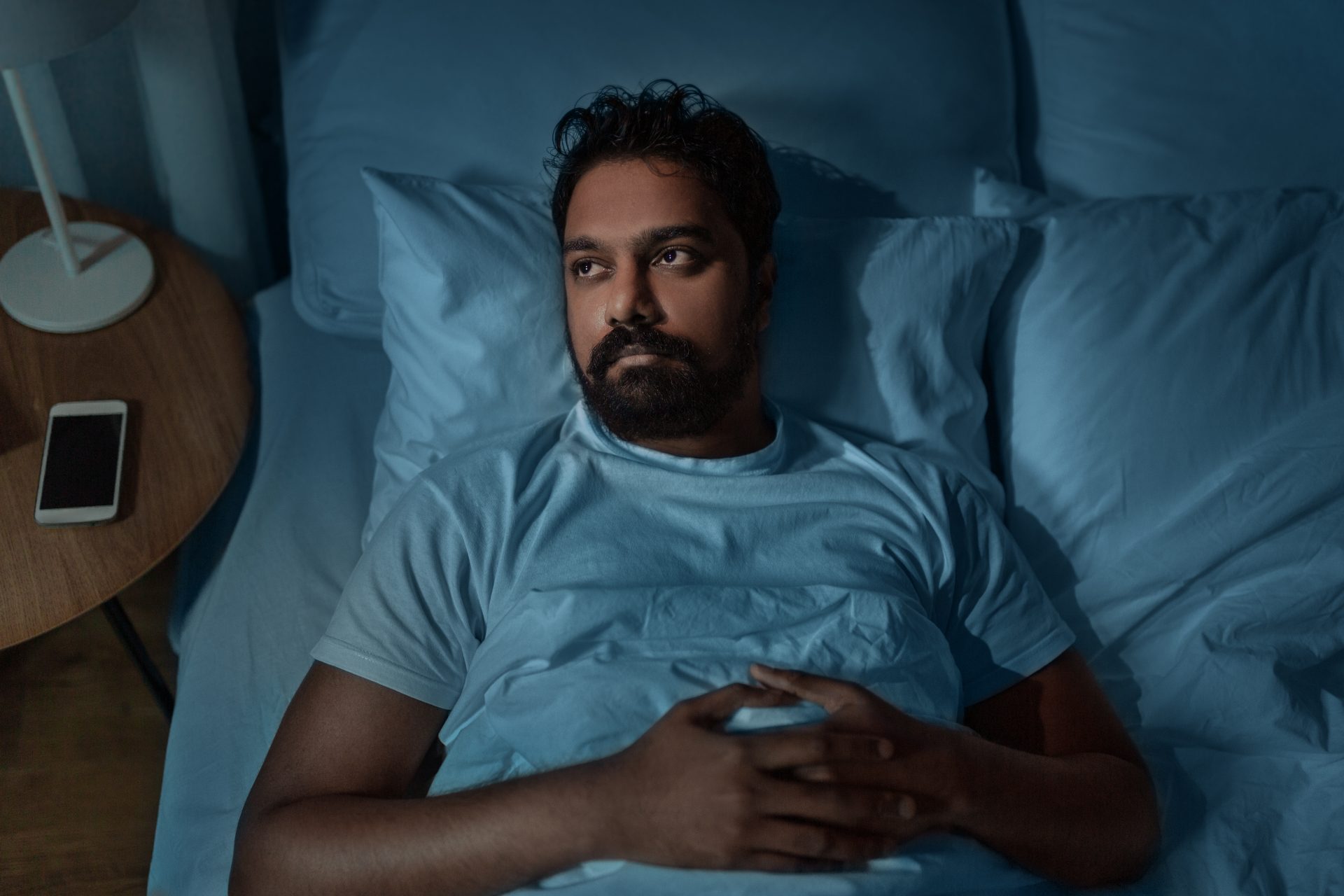
Your heart does a sudden flip-flop in your chest. A skipped beat, then a hard thump. Your breath catches. Your mind races: “Is this it? Am I having a heart attack?” The fear spikes, your heart pounds faster, and suddenly you notice more flutters. You are caught in the PVC anxiety cycle.
So, can anxiety cause PVCs? For many people, yes. Anxiety releases adrenaline, and adrenaline can make extra beats more likely. The extra beats then cause more anxiety. That loop is what this post is about, and it can be broken.
Premature ventricular contractions (PVCs) are common, often benign extra heartbeats. They feel terrifying. The physical sensation triggers panic, which releases stress hormones, which can trigger more PVCs. This creates a feedback loop that feels impossible to escape. You might find yourself constantly thinking “I’m going to drop dead” or describing the feeling as “my heart doing flips.” Your anxiety goes through the roof, and you feel like no one will ever understand.
This cycle is exhausting. It steals your peace, disrupts your sleep, and makes you hypervigilant about every bodily sensation. You might avoid exercise, caffeine, or stress. The palpitations still appear. The PVC anxiety cycle convinces you something is dangerously wrong with your heart, even when medical tests say otherwise.
Quick Tip: When you feel a PVC, try this immediate response: Place one hand on your chest and one on your belly. Breathe in slowly for 4 seconds, hold for 2, breathe out for 6 seconds. This simple act moves your focus from fear to physiology and can help calm the nervous system response.
The Emotional Toll of Living with Heart Flutters
The physical sensation of PVCs is only half the battle. The psychological impact creates its own suffering. You might experience constant low-grade dread, waiting for the next “episode.” Social situations become stressful because you worry about having palpitations in public. Sleep suffers as you lie awake monitoring your heartbeat. This hypervigilance keeps your nervous system in a state of high alert, making you more susceptible to both anxiety and physical symptoms.
Many people describe their nervous system feeling “in overdrive.” The constant scanning for danger, the adrenaline surges with each skipped beat, the mental exhaustion of trying to control something that feels uncontrollable. It wears you down. You might feel isolated, believing no one else experiences this specific brand of fear. The truth is you are not alone. Your reaction makes perfect biological sense.
From a therapeutic perspective, we understand this as a natural human response to perceived threat. Your body is doing exactly what it evolved to do: alert you to potential danger. The challenge comes when this alarm system becomes oversensitive, sounding the alarm for benign events. We work with recalibrating its sensitivity and developing different responses to its signals.

Living with the PVC anxiety cycle is genuinely exhausting, and you deserve support that takes both the physical and emotional experience seriously.
Breaking the Cycle: Practical Steps Forward
Understanding Benign PVCs
First, let’s demystify what’s happening. PVCs are early heartbeats that originate in the ventricles rather than the sinoatrial node (your heart’s natural pacemaker). They create that characteristic “skipped beat” sensation followed by a stronger thump as your heart resets. For most people with structurally normal hearts, PVCs are harmless. They are annoying and frightening, but not dangerous.
The anxiety comes from the interpretation, not the sensation itself. Your brain receives the signal of an irregular heartbeat and interprets it as “danger.” This triggers the fight-or-flight response: adrenaline surges, heart rate increases, breathing quickens. These physiological changes can actually trigger more PVCs, creating the self-perpetuating cycle.
Creating Your Personal Rulebook
One of the most effective ways to manage health anxiety around PVCs is to create clear guidelines with your GP. This reduces the constant decision-making about when to worry. Your rulebook might include:
- When to monitor at home (occasional flutters with no other symptoms)
- When to use coping skills (regular PVCs during stress but feeling otherwise well)
- When to contact your GP (new symptoms like dizziness, chest pain, or significant increase in frequency)
- When to seek urgent care (sustained rapid heartbeat with lightheadedness)
Having these guidelines written down reduces the mental load of constant assessment. You move from “Is this dangerous?” to “This matches my monitoring category, I’ll use my coping skills.”
Remember: Developing psychological flexibility means you can feel anxious about PVCs without letting that anxiety dictate your life choices or trigger more physical symptoms.
Body-Based Calming Techniques
When you feel PVCs starting, your instinct might be to tense up and fight the sensation. This actually increases sympathetic nervous system activation. Instead, practice these responses:
- Soft belly breathing: Consciously relax your abdominal muscles as you breathe. Tension in the diaphragm and core can exacerbate palpitation sensations.
- Grounding through touch: Place your hands on a solid surface (a table, wall, or your own thighs). Feel the texture and temperature. This brings your attention to external, safe stimuli.
- Progressive muscle release: Starting with your feet, tense each muscle group for 5 seconds, then release completely. Move upward through your body. This discharges physical tension that fuels anxiety.
- Temperature change: Splash cold water on your face or hold a cold compress to the back of your neck. The mammalian dive reflex triggers a natural calming response.
These techniques work by engaging the parasympathetic nervous system (your body’s built-in relaxation response). They don’t stop PVCs from happening, but they prevent the anxiety escalation that makes them worse. Use them to create space between sensation and reaction, not to avoid feeling the PVCs altogether.
Attention Management Strategies
Hypervigilance to heart sensations trains your brain to notice every tiny variation. You need to retrain your attention system. Practice these exercises daily, not just during PVC episodes:
- External focus practice: Set a timer for 2 minutes. Name everything you can see in your environment by colour. “Blue mug, green plant, brown table…” This builds your ability to direct attention outward.
- Sound tracking: Close your eyes and identify as many distinct sounds as you can. The hum of the refrigerator, distant traffic, a clock ticking. Count them.
- Texture exploration: Keep a small object with an interesting texture in your pocket (a smooth stone, textured fabric, worry beads). When you notice heart-focused attention, move to exploring the object’s physical properties.
These practices create neural pathways that make it easier to disengage from internal monitoring when you choose to.

Building Long-Term Resilience
The Role of Professional Support
Living with the PVC anxiety cycle can feel like a full-time job. Online therapy for health anxiety provides specialised tools and consistent support. Therapy helps you develop psychological flexibility: the ability to feel difficult sensations like PVCs and anxiety while still engaging in meaningful life activities.
Therapy helps you:
- Separate from catastrophic thoughts (“This means I’m dying”)
- Experience uncomfortable physical sensations without fighting them
- Clarify what matters to you beyond symptom management
- Take action aligned with your values even when anxiety is present
This approach doesn’t promise to eliminate PVCs or anxiety. It transforms your relationship with both. Instead of your life revolving around symptom management, symptoms become background noise to a life lived fully.
When to Revisit Medical Care
Having clear guidelines reduces constant worry, but it’s important to know when to seek medical reassurance. Consider scheduling a follow-up with your GP or cardiologist if:
- Your symptom pattern changes significantly (more frequent, different sensation)
- You develop new accompanying symptoms (shortness of breath, dizziness, chest pain)
- The anxiety becomes unmanageable despite using coping skills
- It’s been more than a year since your last cardiac evaluation
Prepare for these appointments with specific information: frequency of PVCs (use a symptom diary), triggers you’ve noticed, impact on daily functioning, and exactly what reassurance you need. If you’ve felt brushed off before, this guide to getting your GP to take your symptoms seriously may help. Quality of life is a valid medical concern. If PVCs are disrupting your ability to work, sleep, or enjoy life, that warrants discussion.
Long-Term Mind-Body Integration
The PVC anxiety cycle highlights the intimate connection between mind and body. Long-term management involves nurturing this connection in healthy ways:
- Regular gentle movement: Activities like walking, yoga, or tai chi regulate nervous system function without triggering exercise anxiety. Consistency matters more than intensity.
- Sleep hygiene: Poor sleep increases PVC frequency and anxiety sensitivity. Establish a consistent sleep schedule, create a calming bedtime routine, and limit screen time before bed.
- Nutritional awareness: While individual triggers vary, common culprits include caffeine, alcohol, dehydration, and large meals. Keep a simple food-mood-heart log to identify your personal patterns.
- Stress management integration: Build daily practices that regulate your nervous system. These are preventative maintenance, not emergency interventions. Five minutes of deep breathing, a short walk, or listening to calming music can reset your system before anxiety builds.
The goal is to build enough resilience that PVCs and anxiety don’t dictate your choices. You learn to carry them alongside your values, your relationships, and your purpose.
Ready to Break Free from the PVC Anxiety Cycle?
Living with constant fear about your heart is exhausting, and you deserve support that understands both the physical reality of PVCs and the anxiety they create.
You don’t have to manage this alone. Let’s work together to rebuild your confidence and your life.
Leave a Reply